From the moment children start school to the day they graduate, schools are providing them with STEM learning opportunities.
By integrating STEM activities across learning areas and year groups, children are given opportunities to develop the qualifications and skills needed to constantly adapt in a dynamic and evolving employment landscape.
Discover some of the amazing work schools are doing to engage children in STEM.

Watch other videos in the playlist.
Girls in STEM
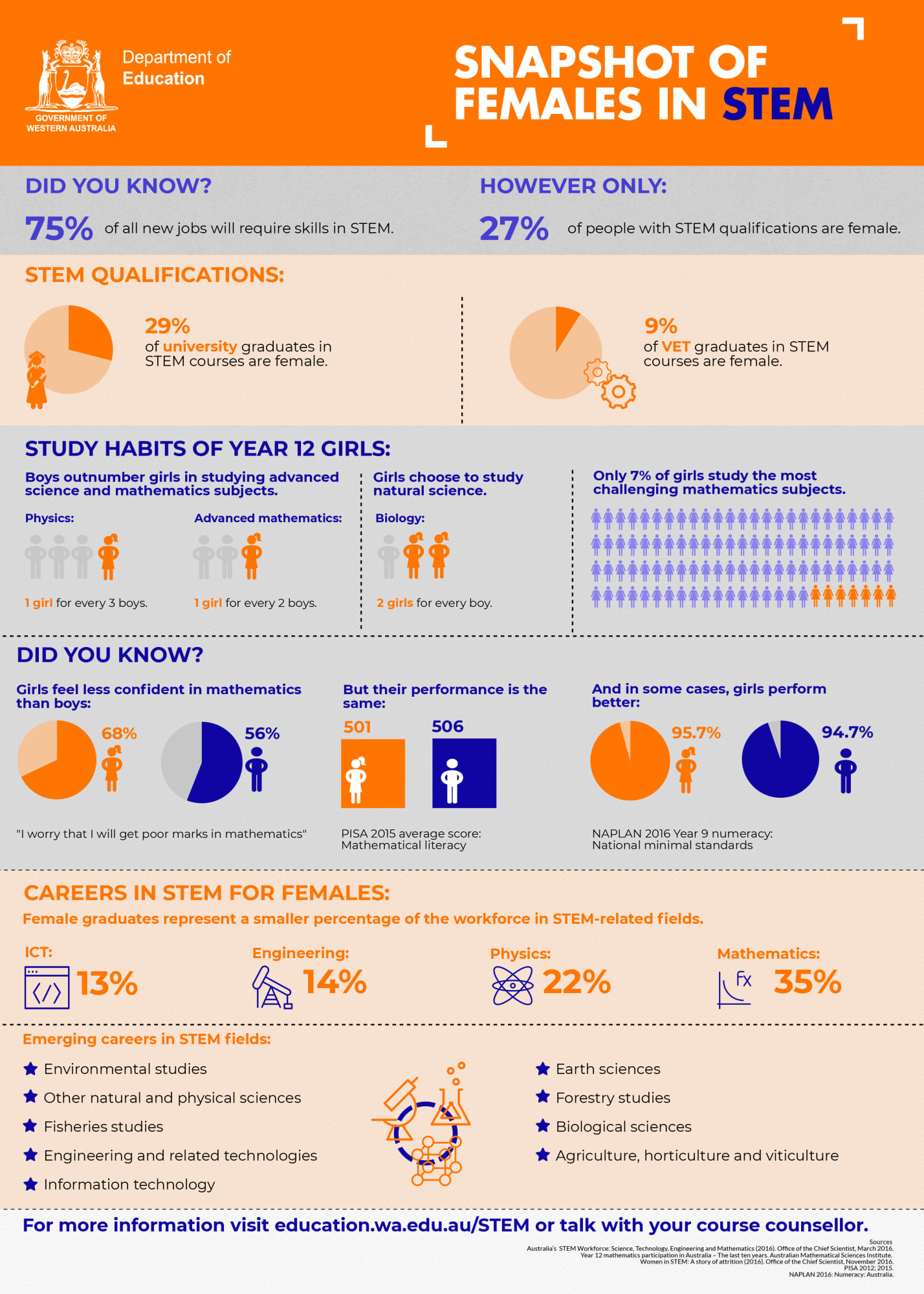
Research shows that in Years 5 and 6, girls’ perception of STEM subjects and STEM based learning begins to change.
They may start to lose confidence, believing that STEM is something only boys do well – and not an area in which girls excel. This perception continues throughout school and into career choices after graduation.
Even more alarming, are the many myths and misconceptions in society about what girls do, and don’t do well. This is reinforced by the under-representation of girls in STEM related jobs.
Nothing could be further from the truth.
In order to meet the needs of a dynamic workforce centred on innovation and creativity, girls represent a unique perspective and untapped talent. We need all young people to be learning STEM skills and qualifications to ensure Australia’s competitiveness on the world stage.
Our schools are empowering girls from a young age, challenging these myths and misconceptions, and showing them that STEM can help them change the world.
STEM is an approach to learning and development that integrates the areas of science, technology, engineering and mathematics.
Through STEM, students develop key skills including:
- problem solving
- creativity
- critical analysis
- teamwork
- independent thinking
- initiative
- communication
- digital literacy.
Why is STEM important?
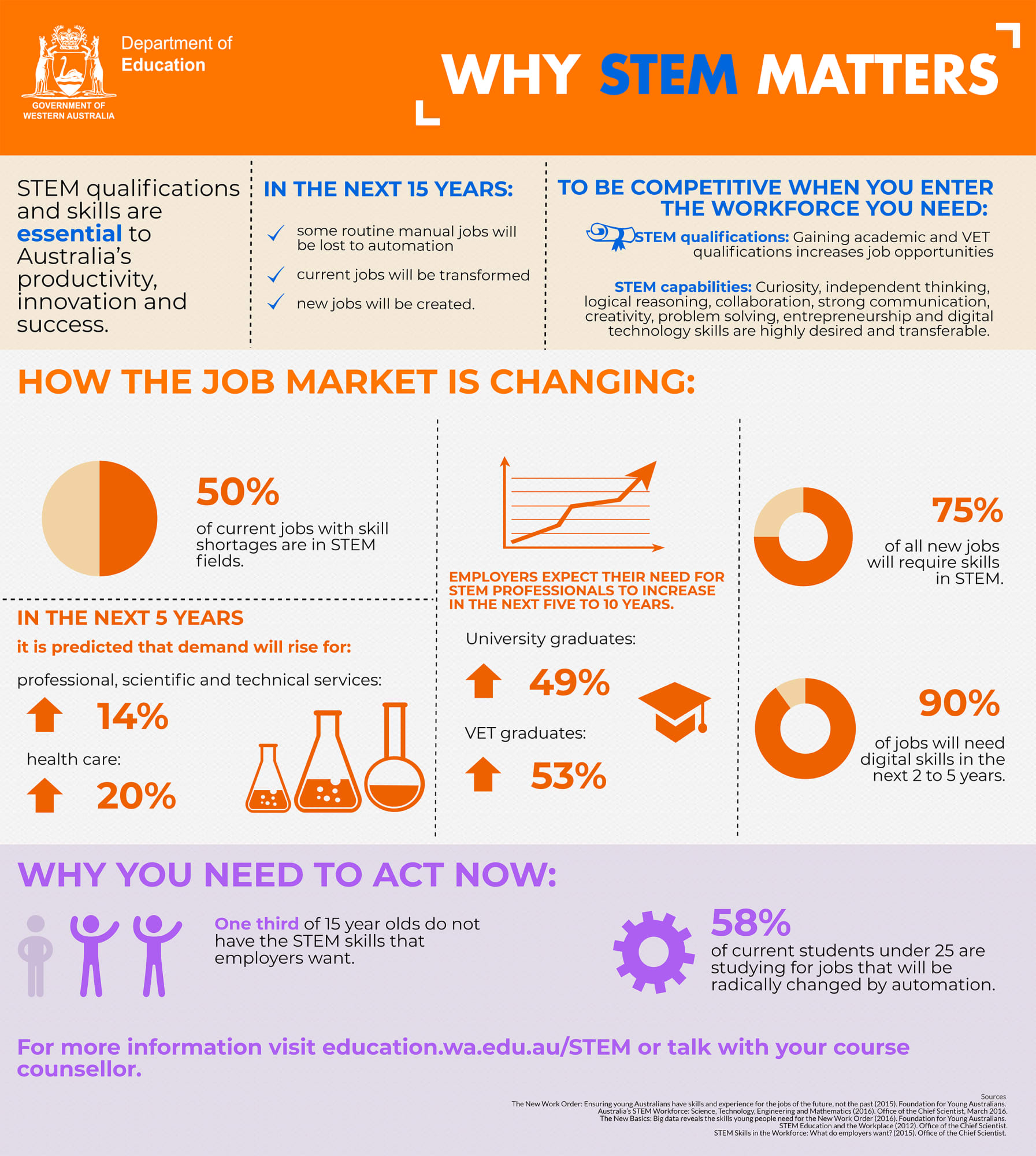
The global economy is changing. Current jobs are disappearing due to automation and new jobs are emerging every day as a result of technological advances.
The continual advances in technology are changing the way students learn, connect and interact every day. Skills developed by students through STEM provide them with the foundation to succeed at school and beyond.
Employer demand for STEM qualifications and skills is high, and will continue to increase in the future. Currently, 75 per cent of jobs in the fastest growing industries require workers with STEM skills. To be competitive, the Australian workforce needs people who can adapt to a changing workplace.
STEM empowers individuals with the skills to succeed and adapt to this changing world.